Products
Filters
Marketplace

- Training
- Video
INTERLACE MOOC on Nature-based Solutions: (7) POLICY INSTRUMENTS for mainstreaming NbS in urban governance processes
Urban areas across the globe are facing unprecedented challenges—pollution, climate change, urban sprawl—and traditional solutions are falling short. The INTERLACE project’s Massive Open Online Course showcases how nature-based solutions offer a promising approach to help create resilient,
- Document
ZÖLD-KÉK INFRASTRUKTÚRA: Zöldinfrastruktúra-hálózat fejlesztés
A Földművelésügyi Minisztérium megbízásából készült 2 kötetes, részletes összefoglaló a zöldinfrastruktúráról. A szöveg rámutat, hogy a zöldinfrastruktúra fogalma nem egységes, intézményenként, szabályozó szervenként, országonként eltér. Az anyag tematikusan részletezi a vonatkozó nemzetközi és
- Paper
- Policy Brief
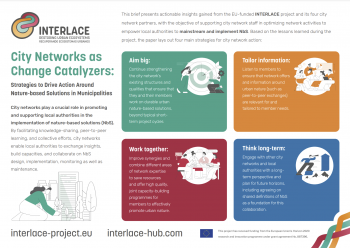
City Networks as Change Catalyzers: Strategies to Drive Action Around Nature-based Solutions in Municipalities
City networks play a crucial role in promoting and supporting local authorities in the implementation of nature-based solutions (NbS). By facilitating knowledge-sharing, peer-to-peer learning, and collective efforts, city networks enable local authorities to exchange insights, build capacities, and
- Report
GrowGreen report: Intervention Conclusions - Manchester
This report details the interventions and outcomes of the Manchester GrowGreen project, funded as part of the European Commission’s 2016 Smart Cities and Communities Call for “Demonstrating Innovative Nature Based Solutions in Cities”. This report looks at the ways Nature Based Solutions (NbS), in

- Document
- Guidance
- Report
The United Nations Decade on Ecosystem Restoration Strategy
The 2030 Agenda for Sustainable Development seeks to end poverty, conserve biodiversity, combat climate change and improve livelihoods for everyone, everywhere. These objectives, encapsulated in 17 Sustainable Development Goals (SDGs) are unlikely to be met unless ecosystem degradation is stopped
- Document
- Product
- Report
Connecting Nature Framework report for Ioannina city
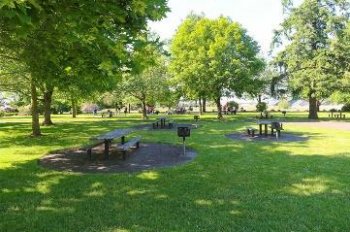
The exemplar project for Ioannina city is the restoration of Pirsinela Park, popularly known as ‘the living room of Ioannina’. The objectives of this exemplar project are outlined in the list below: • Connecting nature-people: restore the experiential relationship of residents with the largest
- Guidance
- Report
Green Roofs: An Assesment of ecological benefits in the Paris Region
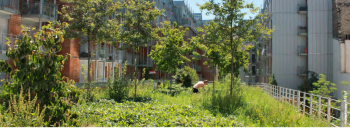
The Paris Region Institute and its biodiversity department ARB (Regional Biodiversity Agency) carried out a three-year study on 36 green roofs. The study, called Grooves (for Green ROOfs Verified Ecosystem Services), ran from 2017 to 2019. The roofs concerned had varied typologies (extensive, semi-
- Report
A NbS tour around Europe: Local experiences and lessons learnt from working together with and for nature
The NetworkNature NbS Hubs community came together and showcased a “Live tour of Nature-based Solutions around Europe” at The Nature of Cities Festival, in Berlin, June 2024. Nine NbS Hubs shared insights from ten site visits, presenting their experiences and findings. This report captures the key
- Empty
Usage of Mobile Applications or Mobile Health Technology to Improve Diet Quality in Adults
The use of mobile applications for dietary purposes has dramatically increased along with the consistent development of mobile technology. Assessing diet quality as a dietary pattern or an indicator across key food groups in comparison to those recommended by dietary guidelines is useful for
- Document
- Guidance
- Training
- Video
- Web platform
Urban Nature Gateway
A catalogue of tools and resources designed to help tackle some of the most pressing shared challenges around urban nature-based solutions (NbS). It provides practical insights and resources for addressing six key challenge areas: NbS assessment; co-governance; citizen engagement; inclusion and

- Guidance
- Image
- Infographic
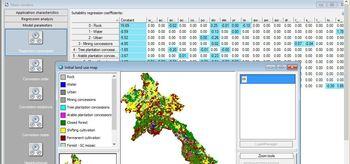
Climate change in 12 pictures
This colourful and illustrative brochure was developed within the IUCN's initiative ADAPT: Nature-based Solutions (NbS) for resilient communities in Western Balkans. It represents a short guide through the climate change consequences showcasing possible solutions to climate change adaptation

- Document
- Guidance
ZÖLD-KÉK INFRASTRUKTÚRA: Innovatív és hatékony megoldások zöldfelületek menedzseléséhez
A kézikönyv esettanulmányok segítségével mutatja be az URBAN GREEN BELTS (UGB) - Városi zöldövezetek projekt során megvalósított tevékenységeket. A projektpartnerek által megszerzett ismeretek és tapasztalatok alapján összegyűjtött tudásanyag a gyakorlatba is beépíthető, sokoldalú eszköz- és
- Training
Greenopolis: Educational platform about sustainable urban development, climate challenges and NbS
A learning platform about healthy and liveable cities. Your nature guide, e-Boti, introduces you to urban development, climate challenges, and nature-based solutions.

- Document
- Guidance
ÁLTALÁNOS: Természetalapú Megoldások: Lehetőség a változtatásra - esély a változásra
Az információs füzet közérthetően mutatja be a TAM fogalmát, a kapcsolódó elméleti és szakpolitikai hátteret, emellett jó példákon, bevált gyakorlatokon keresztül inspirációt is nyújt a TAM alkalmazásához. A kiadványt a Külgazdasági és Külügyminisztérium megbízásából az Interreg V-A Románia-

- Document
- Guidance
OpenNESS Synthesis paper: Public goods
Public goods represent a particularly complex category of environmental resources. The increasing importance of the concept of public goods in national and international legal frameworks, particularly relating to questions surrounding the role of private or public actors in providing and
- Report
- Policy Brief
Gender-based violence and environment linkages
This summary for policy makers synthesises key issues, findings and recommendations from IUCN’s Gender-based violence and environment linkages: the violence of inequality (Castañeda et al., 2020), an expansive publication developed in partnership with USAID. Bringing together existing and new
- Audio
- Event
- Report
- Slides
- Video
ÁLTALÁNOS: Ember- és természetközpontú településfejlesztés - URBACT Konferencia és Workshop
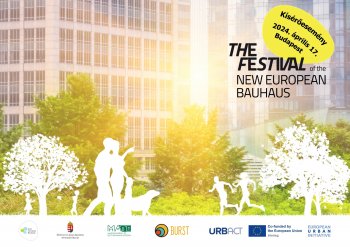
2024. április 17-én került sor az Építési és Közlekedési Minisztérium, a Magyar Agrár- és Élettudományi Egyetem, valamint a TeAM HUb-ot alapító és koordináló BURST Nonprofit Kft. társzervezésében az Új Európai Bauhaus Fesztivál magyarországi kísérőrendezvényére Budapesten. A rendezvényen kiemelt
- Paper
Evaluating Ecological Restoration Success: A Review of the Literature
Assessing the success of ecological restoration projects is critical to justify the use of restoration in natural resource management and to improve best practice. Although there are extensive discussions surrounding the characteristics that define and measure successful restoration, monitoring or
- Document
Support multi-object forest management plans through easy-access information
The PRI.FOR.MAN has developed a Decision Support System (DSS) specifically designed for the forestry context. Homogenising the information and making it accessible in user-friendly systems is the key to ensuring data accessibility.
- ‹ previous
- 33 of 41
- next ›