
Products
Filters
Marketplace

- Document
DELIVERABLE 6.1 REPORT Data on SDG/NUA impacts/potentials linked with investment propositions uploaded to OPPLA
This deliverable report presents the finding of T6.1’s research, demonstrating the yet untapped potential of NBS as policy instruments to localise sustainable development commitments and address intertwined societal challenges, from the climate and biodiversity crises to rising inequalities and
- Guidance
- Report
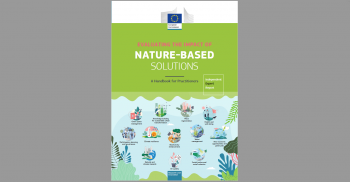
Handbook: Evaluating the impact of nature-based solutions
The Handbook aims to provide decision-makers with a comprehensive NbS impact assessment framework, and a robust set of indicators and methodologies to assess impacts of nature-based solutions across 12 societal challenge areas: Climate Resilience; Water Management; Natural and Climate Hazards;
- Document
ESManage Literature Review: Ecosystem Services in Freshwaters
The ESManage Literature Review highlights how pressures have implications for a range of ecosystem services derived from freshwaters. It considers how the framework aligns with the objectives of current policy and legislation to inform management of freshwater resources. This review details the
- Report
Nature-based solutions for climate mitigation: Analysis of EU-funded projects
Achieving the ambitious goals established by the European Union will require not only transformation of our energy and transport systems, but measures across the economy as well as efforts to harness the potential of nature to contribute to both mitigating climate change and enhancing our
- Document
- Guidance
OPERAs D4.3 Synthesis report on the operational potential of ES/NC instruments
This report is the synthesis deliverable of WP4 and thus brings together the overarching message of experiences and results of the joint WP4 Instruments work. It is aimed at those developing ES and NC instruments, or those considering funding the development of such instruments, in order to ensure
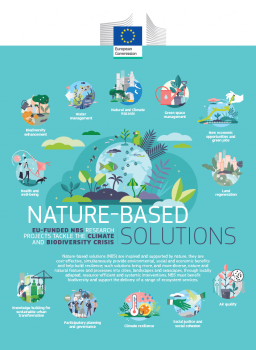
- Infographic
Nature-based solutions-EU-funded NbS research projects tackle the climate and biodiversity crisis
"Nature-based solutions (NbS) are inspired and supported by nature, they are cost-effective, simultaneously provide environmental, social and economic benefits and help build resilience; such solutions bring more, and more diverse, nature and natural features and processes into cities,
- Document
- Guidance
TEEB for Local and Regional Policy Makers
TEEB for Local and Regional Policy Makers calls on local policy makers to understand the value of their natural capital and the services it provides and apply a focus on nature's benefits in local policy areas such as urban management, spatial planning and protected areas management.
- Document
Use of Bite technology for tree infusion in chestnut groves
Endotherapy offers an efficient alternative for treatments application in chestnut groves
- Paper
Restoration Ecology: Interventionist Approaches for Restoring and Maintaining Ecosystem Function in the Face of Rapid Environmental Change
Restoration ecology provides the conceptual and practical frameworks to guide management interventions aimed at repairing environmental damage. Restoration activities range from local to regional and from volunteer efforts to large-scale multiagency activities. Interventions vary from a “do nothing

- Dataset
- Document
- Software
Netbiome-CSA Biodiversity Toolbox
The Biodiversity Toolbox of the NetBiome-CSA network—a partnership for research and sustainable management of (sub)tropical biodiversity in European Overseas Regions (ORs) & Territories (OCTs)—provides a database of stakeholders in biodiversity management and research, including areas of

- Guidance
BiodivERsA Stakeholder Engagement Handbook
The BiodivERsA Stakeholder Engagement Handbook is a practical guide designed to assist research teams identify relevant stakeholders to engage with in order to enhance the impact and social relevance of their work. The Handbook draws upon exiting literature and presents case studies that provide

- Dataset
The Norwegian Nature Index
Norway's Nature Index is intended to document overall trends for the state of major ecosystems throughout the country, and to provide a readily available overview of whether Norway is making progress towards its goal of halting the loss of biodiversity.

- Policy Brief
The role of public and private sectors in mainstreaming nature-based solutions - PBF 19 April 2021
The Policy Business Forum (PBF) consists of Nature-based Solutions (NbS) experts and knowledgeable stakeholders at the international, European, and national scale. The main aim of the PBF is to explore innovative ways to strengthen the science-policy-business nexus in order to exploit opportunities

- Empty
Method Factsheet -Advanced Matrix Approach
Matrix approaches are quick and simple ways to get an overall spatially-explicit picture of the ES in case study areas. The method is based on the idea of linking tabular spreadsheet data and spatial data together, i.e. joining external datasets to spatial units to create maps. A modified,

- Event
Training on ecosystem services for site managers
Eurosite, in cooperation with EKLIPSE, is organising a two-day short course, which will provide managers of protected sites with the necessary knowledge and steps to take in achieving Science and Policy collaboration regarding biodiversity and ecosystems services on one hand, and how to put them in

- Document
Conexus Life-Lab factsheet series - Urban Agriculture Observatory: Social and Ecosystem services
The Urban Agriculture Observatory is a partnership aiming to establish a database of environmental and social aspects of urban allotments and their benefits. Based on the database, a public web platform is created to share collected data and bring urban agriculture closer to citizens. It is

- Paper
The case for mainstreaming nature-based solutions into integrated catchment management in Ireland
The intensification of European policies, agreements and regulations for climate action, water resources, energy, agriculture and forestry, and biodiversity is pressurising governments to adopt a wider portfolio of actionable solutions that are more financially and socially sustainable as well as

- Document
Conexus key learning factsheet series - Checklist for Nature-based Solutions Monitoring & Indicators
Monitoring & Indicators (M&I) help document and evaluate the process, progress, performance, and impact of the implementation of Nature-based Solutions (NbS), as well as track whether targets are being met. To support the uptake of M&I in planning practice, this factsheet provides a
- Document
- Product
- Report
Report: Nature-based Solutions and Global Climate Protection
This Report published by the German Environment Agency critically assess the global mitigation potential of Nature-based Solutions (NbS) as provided in existing literature to derive recommendations for international climate policy. Firstly, it compares and evaluates different understanding of NbS
- Guidance
- Software
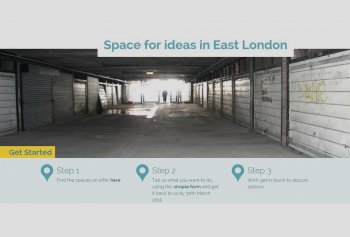
Revitalizing Spaces
Methodology (accompanied by an online platform) for identifying and activating underused spaces through community-led proposals.
- ‹ previous
- 6 of 41
- next ›