Products
Filters
Marketplace

- Document
An impact evaluation framework to support planning and evaluation of nature-based solutions projects
Nature‐Based Solutions (NbS) are solutions to societal challenges that are inspired and supported by nature. The European Commission requested the EKLIPSE project to help building up an evidence and knowledge base on the benefits and challenges of applying NbS. In response to the request, the
- Empty
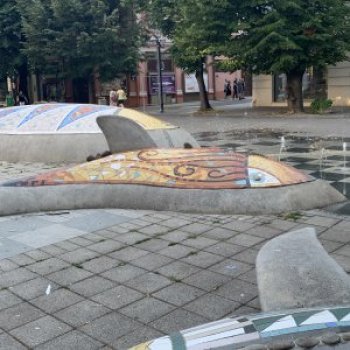
Seedbed Intervention:Burgas
Burgas organised its seedbed intervention in close proximity to one of the two pilot areas. The green area between “Gurko“ parking lot and Oborishte street is the pilot site for the GoGreenRoutes project in Burgas. It is located in an area of the city centre which is heavily built with large and
- Document
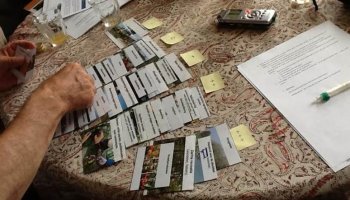
Ecosystem Services Card Game Factsheet
The ecosystem services card game is a method developed to capture the sociocultural values related to ecosystem services. This method specifically focuses on exploring and understanding human preferences and perceptions on ecosystem services (Fontaine et al., 2013). The ecosystem services card

- Document
Conexus Life-Lab Factsheet Series: Francia Street Rain Gardens: SuDS Implementation
The Municipality of General San Martín (MGSM), Buenos Aires, led a project to build linear Rain Gardens (RGs) along Francia Street as part of a Sustainable Urban Drainage System (SuDS) to manage stormwater. As a novel technology for the region, the RGs proved to be cost-effective and socially
- Document
Pine Wood Nematode
This project aimed to overcome the constraints caused by PWD, combining new forms of forest management, methods of early detection of infected trees and decrease their impact.
- Document
NetworkNature Factsheet 3: Shifting the water paradigm - managing water through nature
This Factsheet explores common water-related challenges, such as water availability, quality, and management, their associated risks, and relevant policies, while proposing nature-based solutions as a paradigm shift. By outlining key benefits of using nature for an integrated and ecosystem-based
- Document
- Guidance
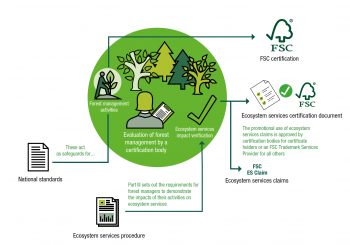
FSC Ecosystem Services Procedure
The FSC Ecosystem Services Procedure provides new tools to strengthen incentives for the protection of ecosystem services: - Impact verification: The procedure provides a global approach that FSC certificate holders can use to demonstrate the impact of their forest management activities on
- Guidance
- Image
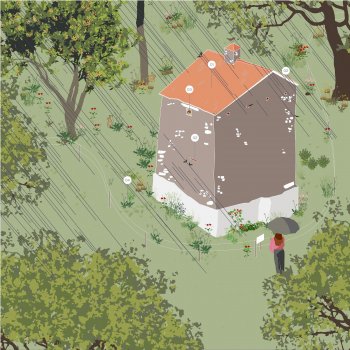
Manual de Soluciones basadas en la Naturaleza | Fomento de la biodiversidad en la Ciudad de Madrid (NbS guidelines for enhancing biodiversity in Madrid)
In the framework of the Madrid plan for Biodiversity enhancement and management, these visually striking guidelines for Nature-based solutions have been developed. Organised in 4 thematic blocks -green areas, urban streets, public buildings and vacant plots-, they aim to help public space managers
- Dataset
- Document
Database of good practice tools for the design and implementation of NbS, including factsheets for 10 tools
Ten approaches will be showcased on the Innovation Hub as short factsheets, highlighting their scope of application and examples of their EU and/or CELAC application.


- Policy Brief
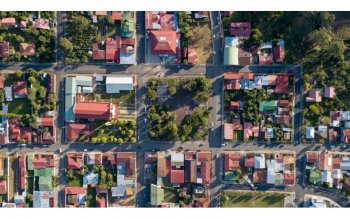
Design Brief 3- Biodiversity-positive Design in Urban Areas with NbS: Mobility Network, Green associated with Buildings, Vacant Plots, Brownfields
This NetworkNature design brief series, the first of its kind, comprises three design briefs on biodiversity-positive design recommendations for urban and peri-urban areas with nature-based solutions. The series, developed with support of IFLA Europe, presents simple design suggestions for
- Document
- Guidance
Urban and Peri-Urban Agriculture Best Practice Catalogue
This Catalogue highlights the best practices identified in the 6 metropolises associated with MADRE, in terms of farmers’ innovation, social innovation, consumer innovation, academic research, territorial innovation and transnational innovation.
- Consultancy
- Guidance
- Software
- Training
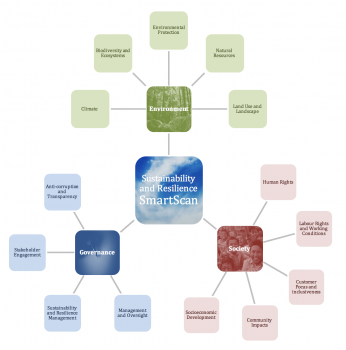
GIB SmartScan
Increase your infrastructure project’s attractiveness to investors in only a few steps. The GIB SmartScan allows you to assess your infrastructure projects based on its Environmental, Social and Governance (ESG) issues and helps to efficiently flag risks and opportunities for improvements of your
- Document
Community forest arrangements as ideal instance for the realization of the profit- sharing model of PRIFORMAN Project
Community forest arrangements are strategic tools in forestry for enhancing business networks and valuing agro-silvo-pastoral lands.
- Guidance
GIZ ValuES - Method Profile: Different interview formats
Interviews are a key method for obtaining first-hand information and field data on any aspect that is of interest. If well-conducted and properly analysed, interviews can significantly advance understanding of complex issues. Various formats exist: An in-depth interview captures how people value or
- Document
Nature Based Solutions - Landslides Safety Measures
The report presents an overview of Nature-Based Solutions (NbS) and their main applications to address climate-related challenges (temperature, floods, sea level rise, landslides, droughts) with a special emphasis on innovative physical measures for landslides mitigation.
- Report
Comprehensive Framework for NbS Assessment
A product of Workpackage 4 of the EU-H2020 project PHUSICOS is a comprehensive framework to verify the performances of NBSs in risk management processes from both technical and socio-economic points of view. The comprehensive framework assesses the beneficial role of NBSs in ecosystem services,
- Slides
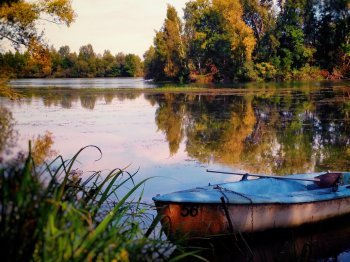
Presentation on Reducing Disaster Risk through Restoration
This powerpoint slide provides a case study on a successful example of nature-based solution applied for disaster risk reduction: the Restoration of the Isar River in Germany. The initiative was implemented under the PHUSICOS project. More information on the case study is also available below.
- Document
- Software
- Training
Natural Value Initiative
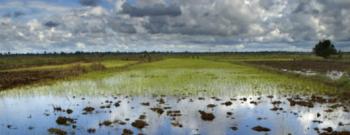
The Natural Value Initiative (NVI) is Fauna & Flora International's (FFI) platform to engage financial institutions around natural capital by developing tools and methodologies that demonstrate the materiality of nature capital and enables mainstreaming thereof into financial decision-
- Guidance
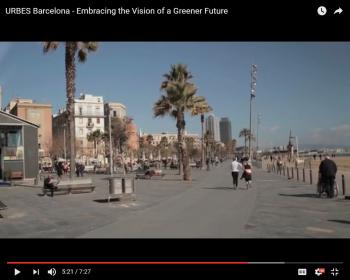
Barcelona - Embracing the Vision of a Greener Future (URBES video)
With 1.62 million inhabitants, Barcelona is one of the most densely populated cities in Europe. Located between the Mediterranean Sea and the mountain range of Collserola, the city has urbanised virtually all available land after various periods of urban expansion. This has led to conflicting
- ‹ previous
- 40 of 41
- next ›